

If you’re running a small business in 2026, this financial year brings one of the biggest shifts in how tax is reported in the UK, alongside several smaller but important changes that will impact your costs, cash flow, and admin.
Here’s a clear breakdown of what’s changed — and what it actually means in practice.
1) Making Tax Digital (MTD) is now mandatory (for over £50k)
The biggest change by far.
From 6 April 2026, many small business owners must now follow Making Tax Digital for Income Tax (MTD ITSA).
Who it affects:
-
Sole traders and landlords earning over £50,000/year
What’s changed:
-
You must keep digital records (no more spreadsheets alone)
-
Submit quarterly updates to HMRC
-
File a final annual tax return
Why it matters:
-
You’ll go from 1 submission per year → at least 5
-
You’ll likely need paid accounting software
-
Admin time increases significantly
There is some good news:
-
No penalties for late quarterly submissions in the first year

DIY embroidery Kit for beginners £26
2) Dividend Tax Has Increased
If you run a limited company, this one hits directly.
New rates (from April 2026):
-
Basic rate: 10.75%
-
Higher rate: 35.75%
Why it matters:
-
If you pay yourself in dividends, your take-home income drops
-
Many small business owners will need to review salary vs dividend strategy
3) Corporation Tax Penalties Have Doubled
Late filing just got more expensive.
New penalties:
-
Late filing fine increases from £100 → £200
-
Further penalties escalate faster
Why it matters:
-
Admin mistakes now cost more
-
Strong incentive to stay organised (or hire an accountant)
4) New Investment Tax Relief (Good News)
Not all changes are negative.
What’s new:
-
40% first-year allowance on plant & machinery investments
Why it matters:
-
You can reduce your tax bill faster when:
-
Buying equipment
-
Investing in tools or production
-
This is particularly useful for product-based businesses and makers.
5) Business Rates Support (Retail & Physical Shops)
Relevant if you have a physical space (like a shop or studio).
From April 2026:
-
Continued reduced business rates for retail, hospitality, and leisure sectors
Why it matters:
-
Helps offset rising costs for:
-
Shops
-
Market spaces
-
Studios
-
6) Tax Threshold Freeze = Stealth Tax Increase
This isn’t a “new” rule — but it’s having a real effect in 2026.
What’s happening:
-
Income tax & National Insurance thresholds remain frozen until 2031
Why it matters:
-
As your income grows, you pay more tax automatically
-
This is known as fiscal drag
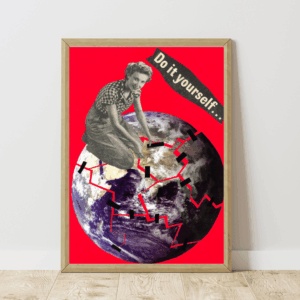
Do it yourself collage print £15
7) Capital Gains Tax Changes
If you sell your business or assets:
-
Business Asset Disposal Relief rate increased to 18%
Why it matters:
-
Slightly higher tax when exiting or selling part of your business
What This Means for Small Businesses (Summary)
More admin
-
Quarterly reporting
-
Digital record keeping
-
Stricter deadlines
Higher tax exposure
-
Dividend tax increase
-
Frozen thresholds
Higher penalties
-
Late filing costs more
But also…
-
Better tax relief on investments
-
Continued support for physical retail

You’ve got this – motivational card £3.00
Practical Steps to Take Now
If you run a small business (especially a maker, retailer, or freelancer):
1. Get MTD-ready immediately
2. Review your business structure
-
Sole trader vs limited company now matters more
3. Plan for tax, not just profit
-
Set aside money monthly
-
Don’t rely on annual calculations
4. Invest strategically
-
Use the 40% allowance if buying equipment
Final Thought
The 2026 tax year is less about new taxes and more about a system shift.
HMRC is moving small businesses toward:
-
Real-time reporting
-
Digital compliance
-
Increased accountability
For many independent businesses, the challenge isn’t just cost — it’s time and complexity.