

For many independent makers, pricing is one of the hardest parts of running a creative business.
Charge too little and you burn out.
Charge too much and you worry nobody will buy.
At Urban Makers, we meet talented small businesses every week who are struggling with this dilema.
The reality is:
Pricing isn’t just about materials. It’s about building a sustainable business.
Here’s a practical guide to pricing handmade products properly in 2026.
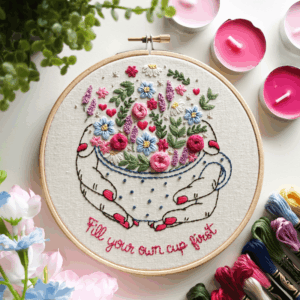
DIY embroidery Kit for beginners £26
The Biggest Pricing Mistake Makers Make
Most new makers price like this:
Materials + a small markup
That approach almost always leads to:
- Low profit
- No room for growth
- Burnout during busy periods
- Feeling resentful about custom work
Handmade businesses have hidden costs that are easy to underestimate.
What Your Pricing Actually Needs to Cover
1. Materials
The obvious one:
- Clay
- Wax
- Fabric
- Packaging
- Labels
- Postage materials
Track the real cost per item — including wastage.
2) Your Time
This is where many makers undervalue themselves.
Include:
- Making time
- Packing orders
- Product photography
- Admin
- Market setup
- Social media
Important:
You are not “just making a candle” or “just printing a print”.
You are running:
- Production
- Marketing
- Customer service
- Logistics
All of that needs paying for.
3) Market & Retail Costs
For Urban Makers-style businesses, this is a major factor.
Costs may include:
- Stall fees
- Card reader fees
- Travel
- Display equipment
- Packaging
- Website subscriptions
If you sell wholesale:
- Retailers often need a 2x–2.5x markup
Your pricing must leave room for this.
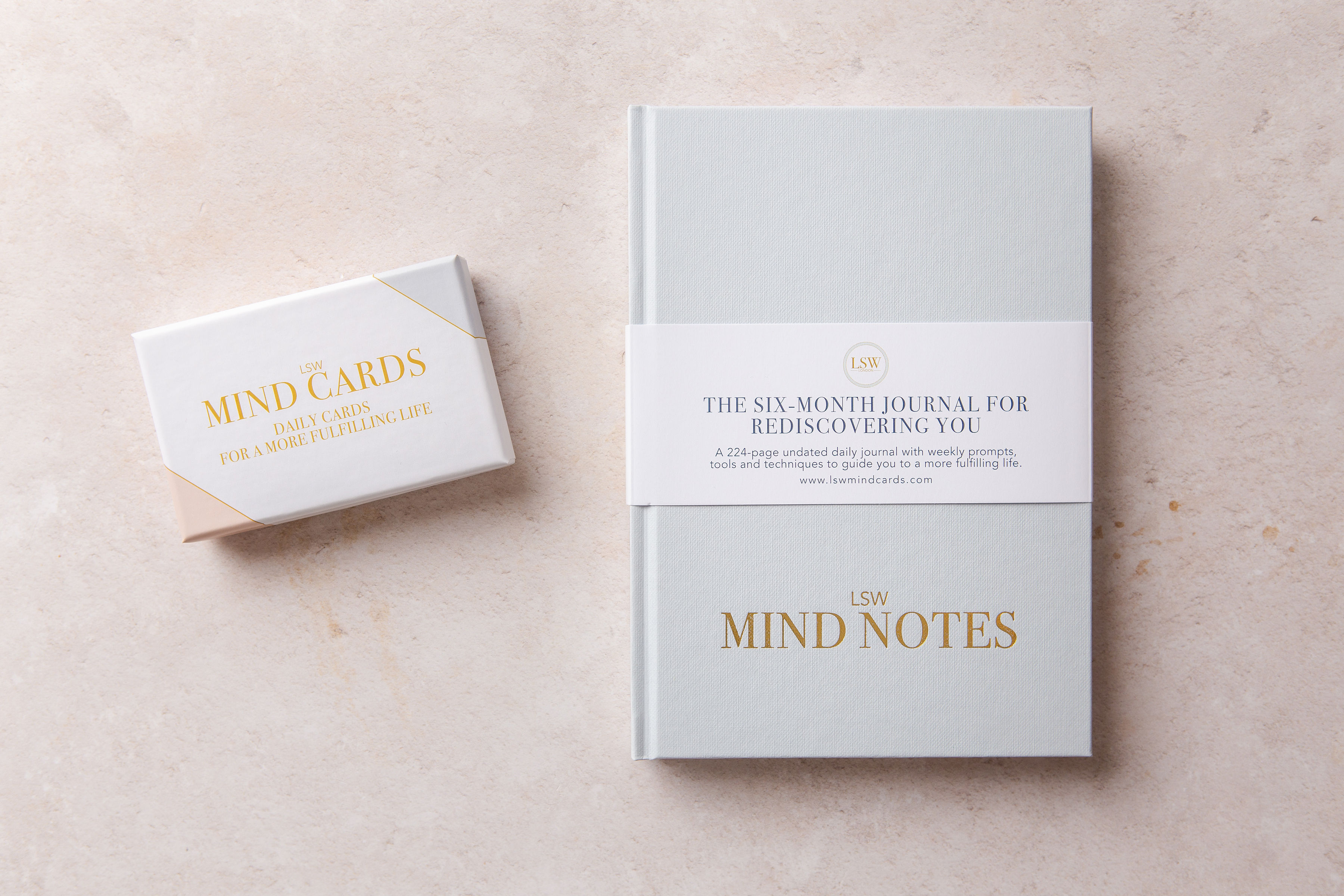
Wellbeing Journal £32.99
4) Tax & HMRC Changes
With Making Tax Digital and rising business costs in 2026, pricing too low becomes even riskier.
Remember:
- A percentage of revenue will go to tax
- Materials continue to rise in cost
- Inflation affects packaging, rent, and shipping
If your prices haven’t changed in years, your margins are probably shrinking.
A Simple Handmade Pricing Formula
A practical starting point:
Cost of materials
- Hourly rate for your time
- Overheads
× Profit margin
Example:
| Cost | Amount |
|---|---|
| Materials | £6 |
| Labour | £12 |
| Overheads | £4 |
| Total Cost | £22 |
If wholesale:
- Retail price may need to be £44–£55
That can feel uncomfortable initially — but sustainable pricing often does.
Why Handmade Products Cost More (And That’s OK)
Customers are not just buying:
- A mug
- A candle
- A print
They’re buying:
- Design
- Craftsmanship
- Small-batch production
- Originality
- Ethical production
- A connection to the maker
The right customers understand this.
Stop Competing with Mass Production
One of the fastest ways to destroy profit is comparing your prices to:
- Amazon
- Temu
- High-volume chain stores
They operate on:
- Mass manufacturing
- Cheap labour
- Huge scale
Independent makers cannot — and should not — compete there.
Your value is:
- Quality
- Story
- Uniqueness
- Experience
Pricing Psychology: What Actually Sells
Interestingly, pricing too low can reduce sales.
Why?
Because customers associate:
- Higher price = quality
- Very cheap handmade = hobby-level
Especially at markets and independent shops, customers often expect to pay more for thoughtful, well-made products.
Signs You’re Underpricing
You may be undercharging if:
- You dread large orders
- You’re busy but not profitable
- You can’t pay yourself consistently
- You avoid calculating hourly earnings
- Your products sell instantly and effortlessly every time
Fast sales are not always a sign prices are correct.
Should You Raise Prices?
Probably — gradually and strategically.
Good reasons to increase prices:
- Better materials
- Increased demand
- Improved branding
- Rising costs
- More experience
Most loyal customers understand reasonable increases when communicated clearly.
Tips Specifically for Market Sellers
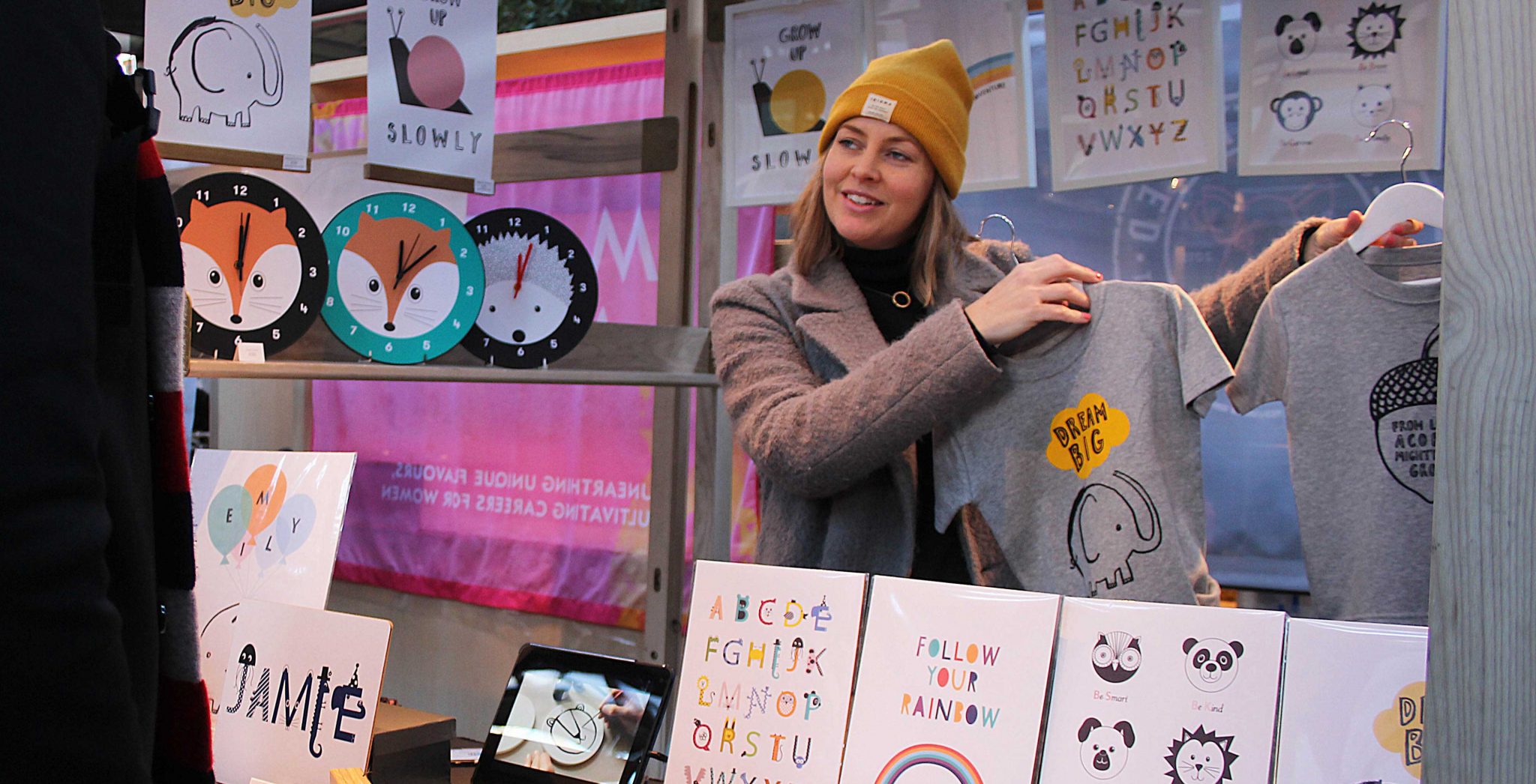
For makers selling at markets like Urban Makers:
Have multiple price points
Example:
- Small impulse buys (£5–£15)
- Mid-range gifts (£20–£40)
- Statement pieces (£50+)
This helps different customer types buy comfortably.
Build perceived value
Presentation matters:
- Packaging
- Branding
- Displays
- Signage
People often buy emotionally before logically.
Don’t apologise for your prices
Confidence matters.
If you explain:
- Handmade process
- Materials
- Time involved
…customers are usually far more understanding.
Final Thought
A sustainable handmade business needs:
- Profit
- Structure
- Longevity
Not just sales.
Good pricing allows you to:
- Keep creating
- Avoid burnout
- Invest in better products
- Grow your business properly
Underpricing may win short-term sales — but sustainable pricing builds long-term businesses.
Please follow Urban Makers on Instagram and subscribe to our newsletter for event dates and more small business tips.